
Blog
Insights & Articles
Explore the latest trends, strategies, and insights from the world of technology, talent, and digital transformation.
Securing the Campus Ecosystem: Baselines Before Any EdTech Integration
The tool behind your next incident is probably already approved. It is small, it solved a real problem for one department, and it holds a standing connection to your student system that nobody has looked at since launch day. Before the next one goes live, run it past four baselines. They fit on one page and take far less time than an incident review.
The State of AI Data Security in Higher Education
Every AI tool on campus comes with fine print about student data, and few institutions have read it. This Cybersecurity Awareness Month, skip the generic advice. We break down the three things that decide whether an AI tool is safe for student records, plus a checklist your team can use this week.
Enterprise AI 2027: From Pilots to Production Swarms
Over the past three years, enterprise adoption of Generative AI has progressed through distinct maturity cycles.
Multi-Campus Consolidation: Q3 Lessons Learned
As the third quarter of the academic and fiscal year comes to a close, higher education technology leaders are reflecting on a summer of intense technical execution.
Defending System Prompts Against Injections
As enterprise AI transitions from simple retrieval-augmented generation (RAG) chatbots to autonomous agents capable of triggering database queries, sending API requests, and executing code, the threat surface of Large Language Models (LLMs) has expanded dramatically.
Predictive AI Pipelines for Campus CRMs
Higher education leaders face an increasingly complex admissions landscape defined by demographic shifts, evolving student expectations, and heightened competition for incoming classes.
Accelerating Roadmaps with Nearshore Pods
Engineering leaders constantly face the same high-stakes dilemma: product roadmaps demand immediate feature execution, but domestic engineering recruitment takes anywhere from three to six months per role.
Accelerating Roadmaps with LATAM Pods
Engineering leaders face relentless pressure to deliver ambitious product roadmaps while managing constrained budgets and domestic talent shortages.
Unifying LMS and Live Classroom Analytics
Higher education instruction has fundamentally transformed into a flexible, multi-modal experience.
Debugging AI Code: Cognitive Observability vs. APM
Software engineering has crossed a fundamental threshold. For decades, applications executed deterministically: given input X and state Y, the application reliably produced output Z.
Bridging Legacy Code to Modern AI Endpoints for Enterprise Data
Enterprise institutions and higher education systems run on decades of foundational data stored in legacy relational databases, SOAP services, and on-premise systems of record.
Higher Ed Tech ROI: Eliminating Software Waste
University IT budgets face unprecedented scrutiny, yet campus software stacks remain quietly inflated by shadow IT, departmental silos, and redundant software licensing.
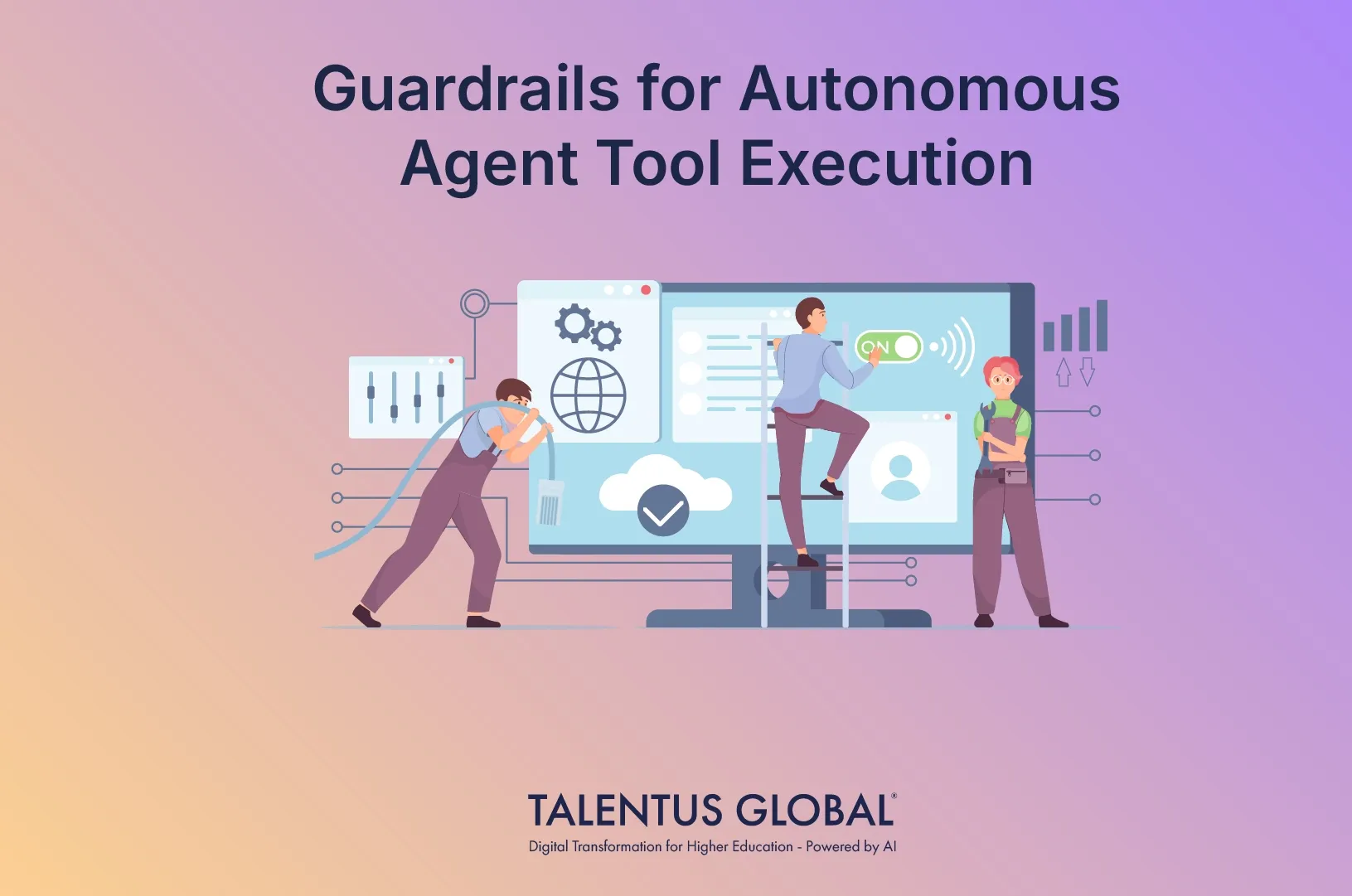
Guardrails for Autonomous Agent Tool Execution
Autonomous AI agents achieve real-world utility through function calling, the ability to invoke external APIs, execute database queries, and trigger workflows across enterprise software systems.
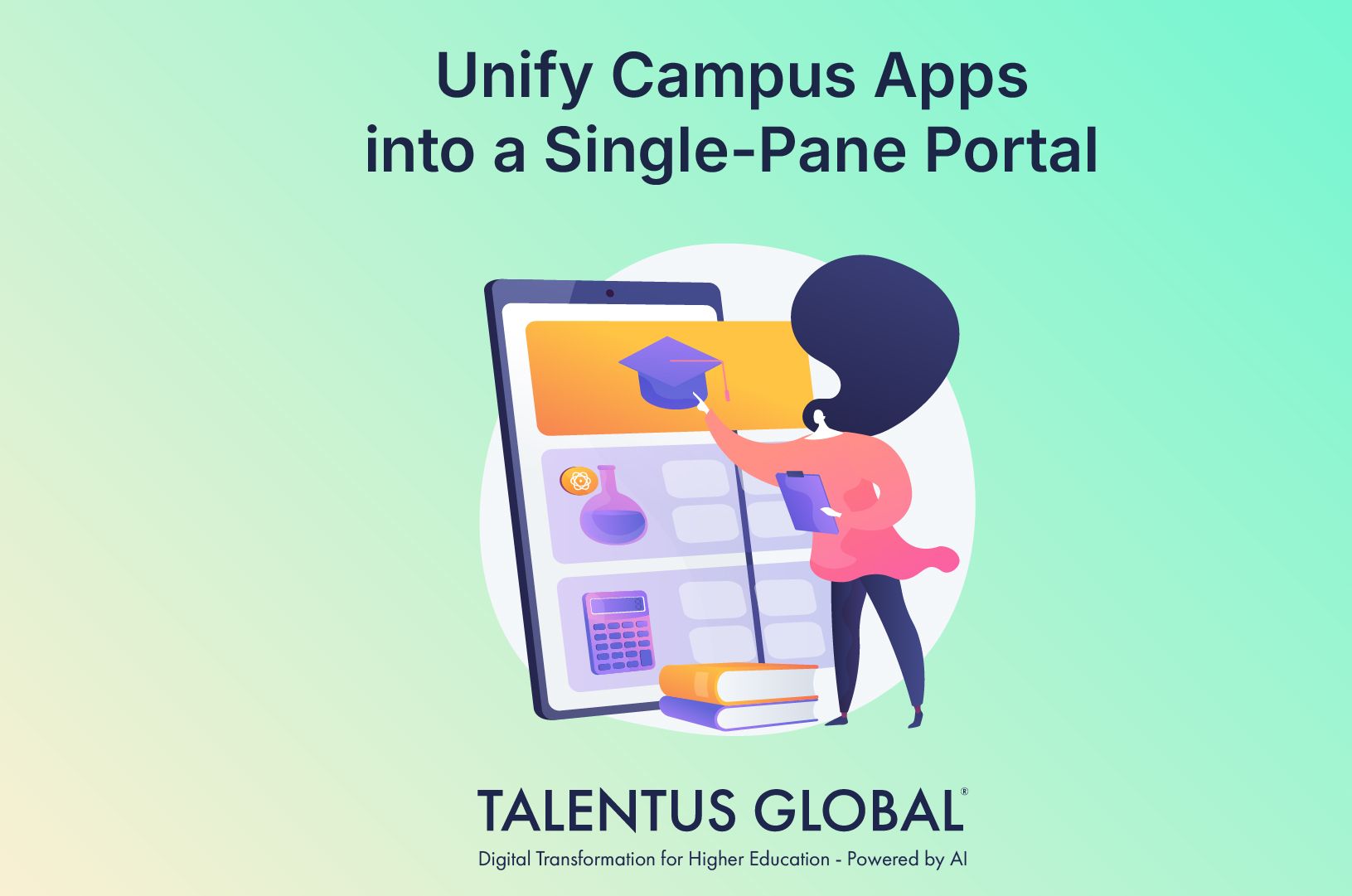
Unify Campus Apps into a Single-Pane Portal
When a student contacts university support asking why they cannot register for next semester's classes, the staff member on the other end faces an absurd digital hurdle.
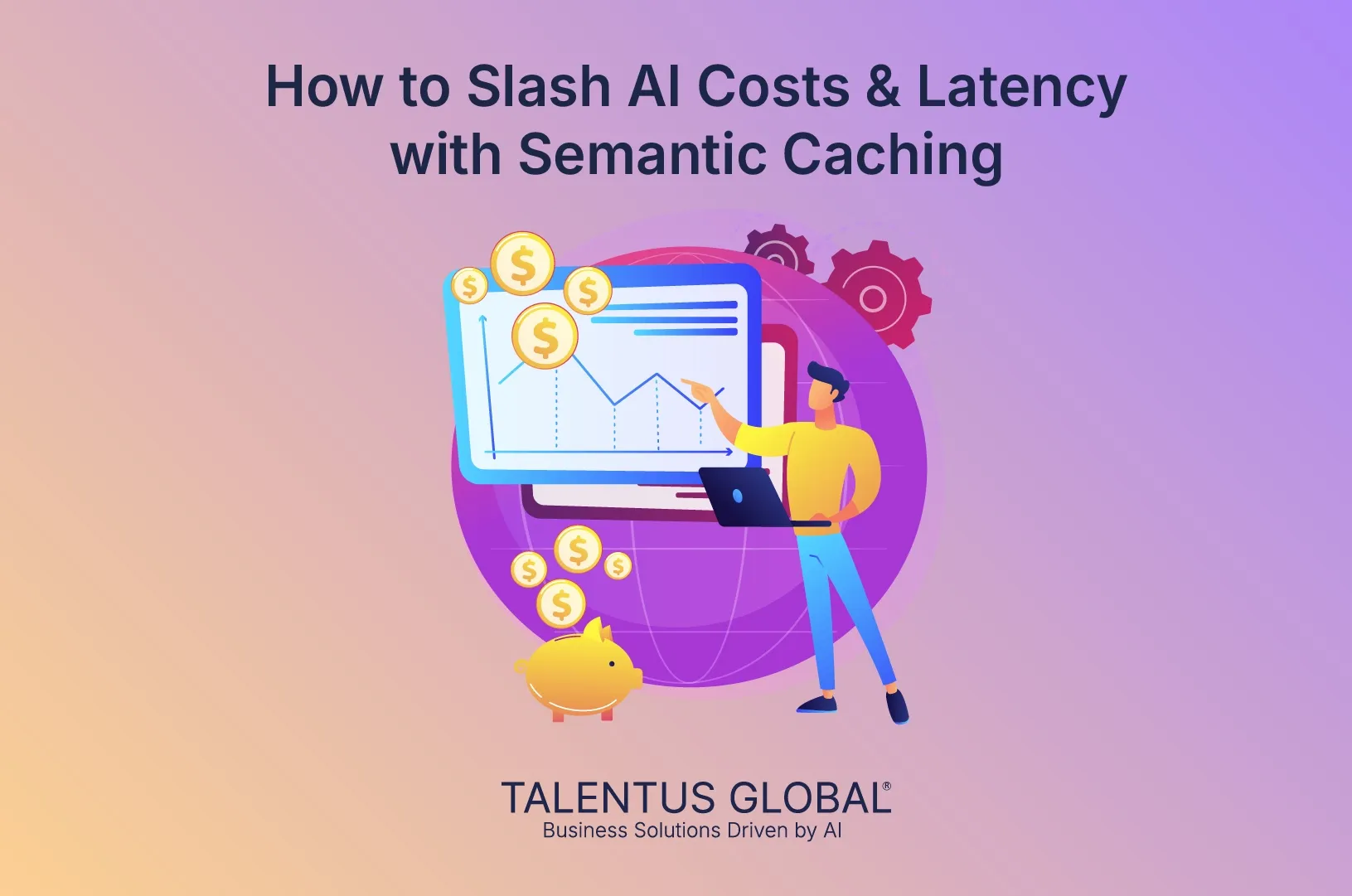
How to Slash AI Costs & Latency with Semantic Caching
When scaling Generative AI features into enterprise production, engineering teams quickly run into two structural bottlenecks: unpredictable API bills and inconsistent latency.
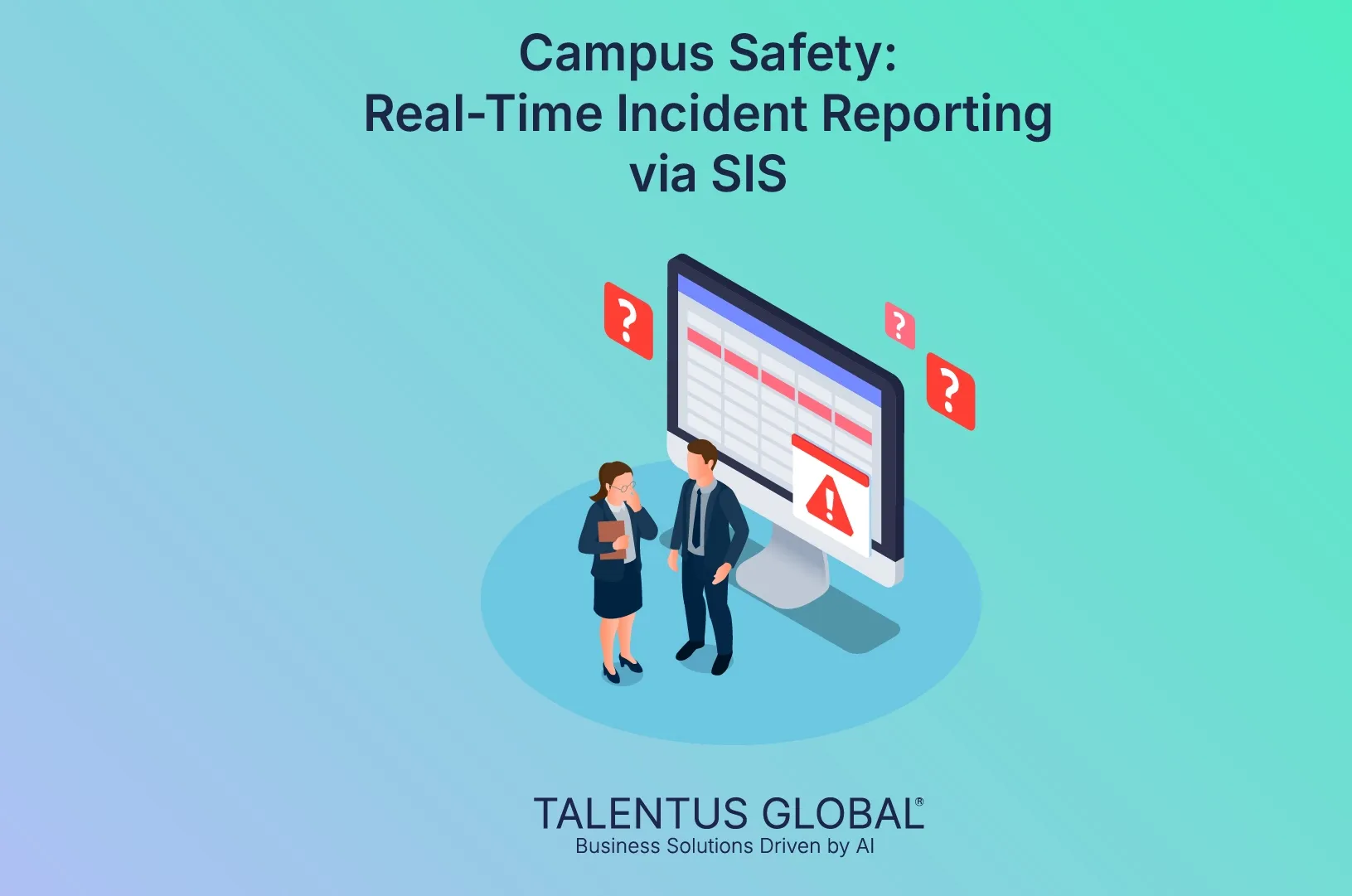
Campus Safety: Real-Time Incident Reporting via SIS
Campus safety operations and emergency response efficacy depend heavily on real-time situational awareness.
Scale Faster: Nearshore Pods vs. Internal Hiring Guide
Scaling enterprise software teams is one of the most critical challenges facing CTOs, VPs of Engineering, and CIOs today.
Automating Research Admin & Grant Lifecycles
Research universities manage hundreds of millions of dollars in sponsored programs, yet research administration remains heavily dependent on fragmented spreadsheets, manual effort reporting, and disconnected financial systems
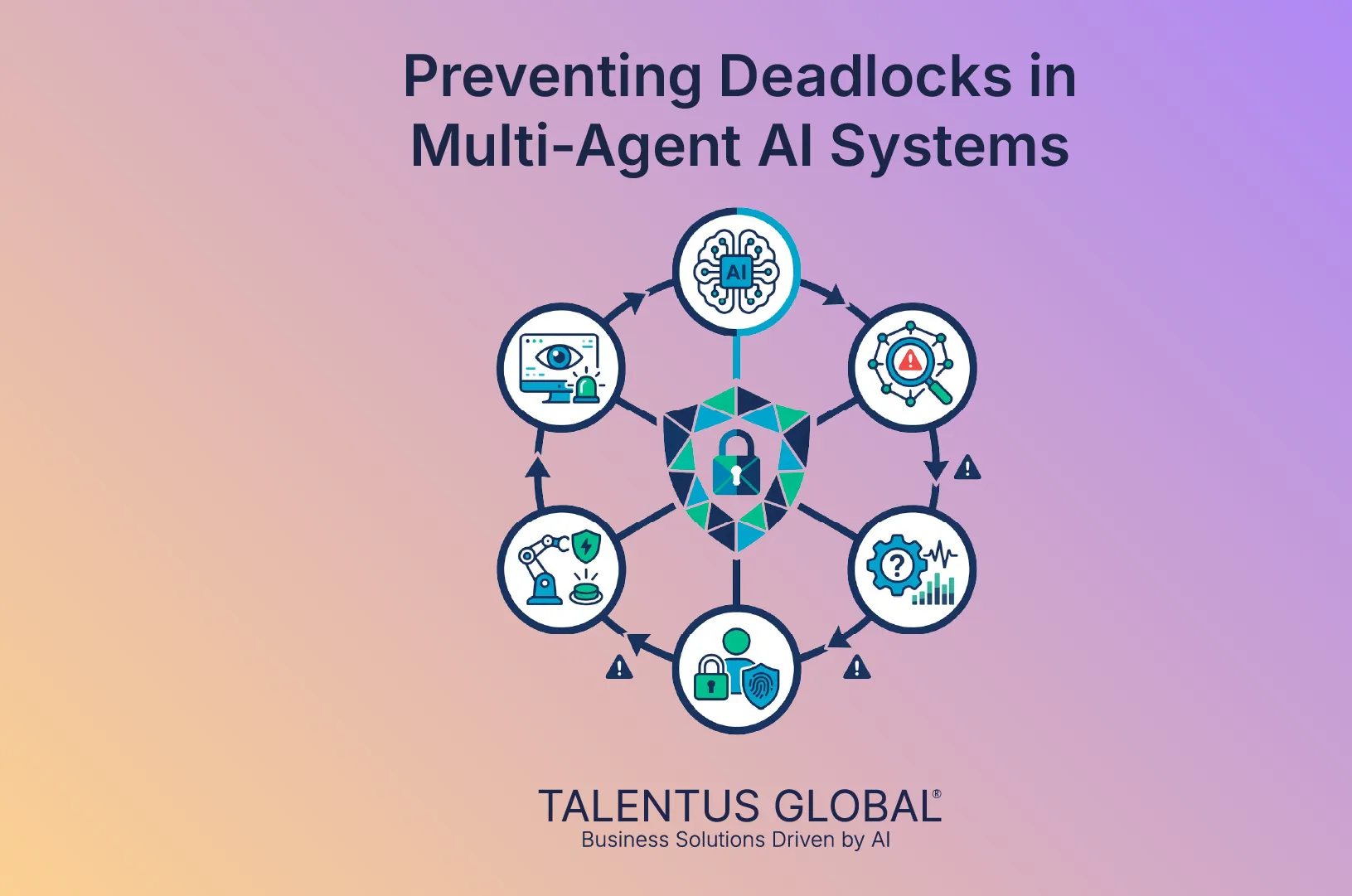
Preventing Deadlocks in Multi-Agent AI Systems
Multi-agent AI architectures represent the next frontier in generative AI engineering.
FERPA-Compliant AI: A Guide for CDOs
Higher education institutions are rushing to deploy generative AI, predictive analytics, and automated student workflows.
The Future of Academic ERPs: Mainframe to Cloud
Colleges and universities across the globe face an existential IT bottleneck: legacy enterprise resource planning (ERP) systems running on decades-old mainframe architectures.
Campus Facilities Spend: IoT & ERP Integration
Colleges and universities manage millions of square feet of physical infrastructure, from historic lecture halls to modern research laboratories.
Accelerate Student Onboarding with AI
Transfer students represent one of the largest growth opportunities for higher education institutions.
Preserve Architecture with 95% Developer Retention
High developer turnover is often treated as a human resources metric or an operational inconvenience.
Request a Consultation
We deliver and build unique teams and solutions that help your business grow.