By centralizing global expertise and streamlining vetting processes, talent marketplaces enable companies to scale technical teams with unprecedented speed and precision.
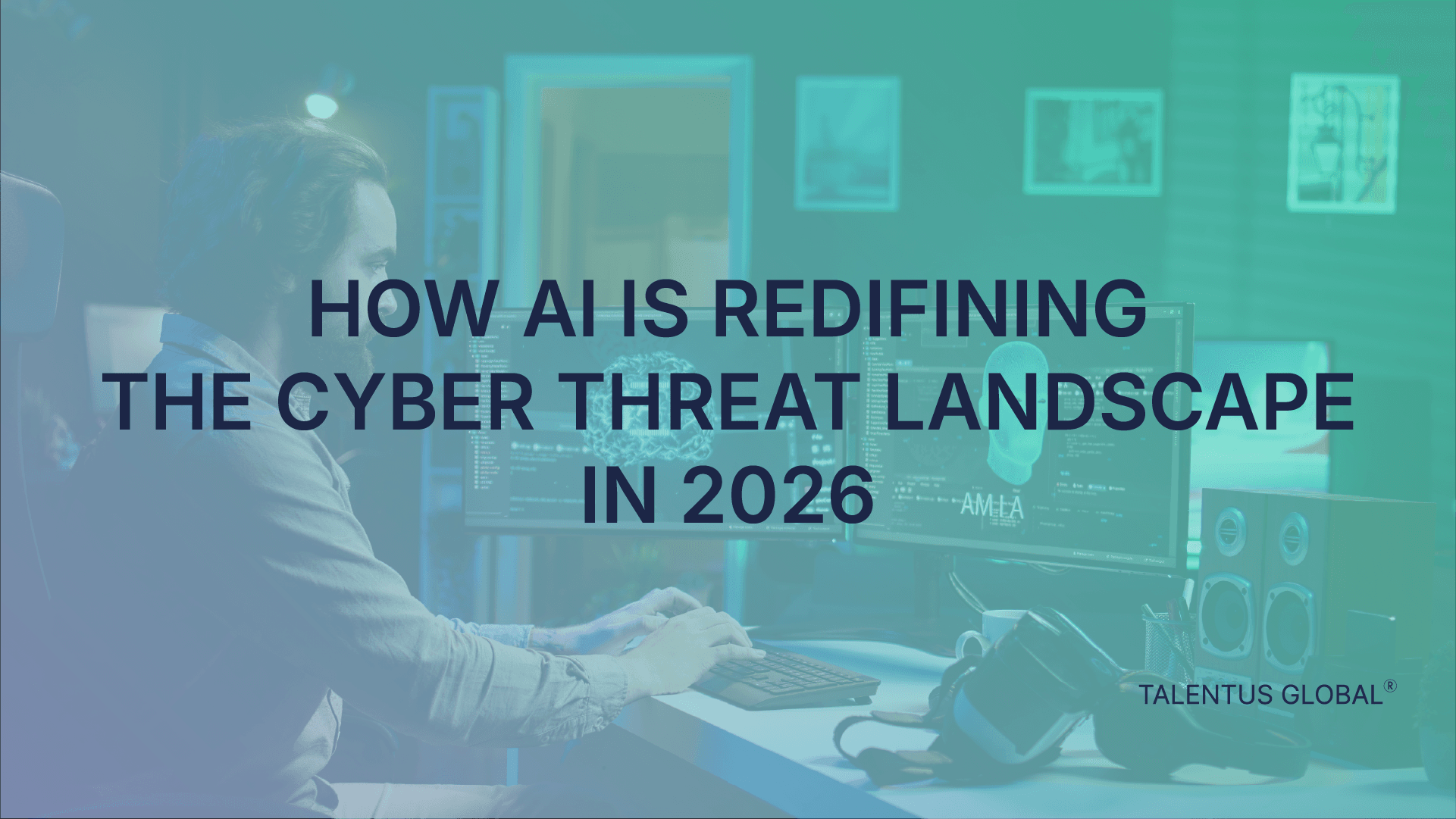
How AI Is Redefining the Cyber Threat Landscape in 2026
Check Point Software Technologies Ltd. (NASDAQ: CHKP), a long-time leader in cybersecurity, has released its Cyber Security Report 2026.
The data highlights the increasing severity of today’s threat landscape. In 2025, organizations faced an average of 1,968 cyberattacks per week, which is a 70% increase since 2023. This rise is mainly driven by attackers’ growing use of automation and artificial intelligence. These tools let them operate more quickly, run campaigns efficiently, and attack multiple targets simultaneously.
AI Is Changing the Threat Model
Artificial intelligence is causing a significant shift in security. Traditional ideas about how attacks start, spread, and are countered are rapidly changing. Techniques once limited to sophisticated threat actors are now widely available, allowing for targeted, coordinated, and scalable attacks on organizations of all sizes.
Lotem Finkelstein, VP of Research at Check Point Software, notes that AI is changing not only the number of attacks but how they work. Attackers are moving away from manual tactics and adopting advanced automation. Signs of autonomous attack techniques are starting to appear. This change requires a reevaluation of basic security strategies that were designed for a world without AI threats.
Key Findings from the Cyber Security Report 2026
The report reveals a clear shift toward integrated, multi-channel attack campaigns that combine human manipulation with machine-speed execution.
AI-Driven Attacks Become More Autonomous
AI is increasingly present throughout the entire attack process, from reconnaissance and social engineering to decision-making. Over three months, 89% of organizations faced risky AI prompts, with about one in 41 prompts labeled as high risk. As AI tools become part of daily business functions, they create new risks for misuse, data leaks, and exploitation.
Ransomware Becomes More Fragmented and Scalable
The ransomware landscape is decentralizing into smaller, specialized groups. This change has led to a 53% year-over-year increase in extorted victims and a 50% rise in new ransomware-as-a-service groups. AI is now used to improve targeting accuracy, negotiation strategies, and overall efficiency.
Social Engineering Moves Beyond Email
Attack campaigns are spreading across email, web, phone, and collaboration platforms. Techniques like “ClickFix” jumped by 500%, using false technical prompts to deceive users. Additionally, phone-based impersonation attacks have developed into organized attempts to break into companies. As AI continues to integrate into browsers, SaaS tools, and collaboration platforms, the digital workspace is becoming a key trust layer that attackers exploit.
Edge and Infrastructure Gaps Increase Risk
Unmonitored edge devices, VPN appliances, and IoT systems are increasingly used as operational relay points. This allows attackers to mix malicious activities with legitimate network traffic, making it harder to detect their actions.
AI Infrastructure Creates New Vulnerabilities
An analysis by Lakera, a Check Point company, found security flaws in 40% of the 10,000 Model Context Protocol (MCP) servers reviewed. As AI systems, models, and agents become more intertwined with enterprise environments, vulnerabilities in AI infrastructure are expanding the attack surface quickly.
Strategic Recommendations for Security Leaders
The report emphasizes that defending against AI-driven threats requires more than quicker responses; it needs a fundamental rethink of security design and enforcement.
Revalidate Security Foundations for the AI Era: AI-powered attacks exploit speed, automation, and implicit trust in environments not prepared for machine-speed threats. Organizations should rethink their controls across networks, endpoints, cloud systems, email, and SASE architectures to disrupt coordinated, automated attacks early.
Enable AI Adoption Securely: Banning AI use altogether can lead to unapproved adoption and increased risks. Security teams should focus on governance, monitoring, and visibility for both approved and shadow AI usage to reduce high-risk prompts, data leaks, and misuse.
Protect the Digital Workspace: Modern social engineering affects email, browsers, SaaS platforms, collaboration tools, and voice channels. Security strategies must safeguard the environments where human trust and AI-driven automation meet.
Harden Edge and Infrastructure Assets: Regularly inventorying and securing edge devices, VPN appliances, and IoT systems can lower hidden vulnerabilities and limit chances for stealthy persistence.
Adopt a Prevention-First Model: With attacks occurring at machine speed, a prevention-first approach is essential to stop threats before they can move laterally, steal data, or extort victims.
Unify Visibility Across Hybrid Environments: Consistent visibility and enforcement across on-premises, cloud, and edge systems help reduce blind spots, simplify operations, and improve overall resilience.
AI is not just increasing cyber threats; it is changing them. Organizations that update their security architecture, governance, and visibility models now will be in a much better position to face the next wave of intelligent, automated attacks.
We are Talentus Global: a global company that provides US companies with reliable IT services, near-shore talent, and digital support to meet their needs.