In the EdTech and SaaS landscape of 2026, the cost of a "glitch" is higher than ever. Whether it’s an enrollment portal crashing during peak registration or a data mismatch between an SIS and an ERP, software bugs don't just frustrate users, they erode institutional trust. As ecosystems become more complex, manual testing is no longer a viable strategy for maintaining quality at scale.
At Talentus Global, we’ve seen that the most resilient institutions move beyond reactive bug-fixing to QA Automation. By integrating specialized technical clusters into your development lifecycle, you can ensure that your SaaS ecosystem remains seamless, secure, and student-ready.
The Manual Testing Bottleneck
Relying solely on manual QA in a modern agile environment creates a significant "Velocity Gap." Every time a new feature is added to platforms like Canvas, Anthology, or Salesforce, a manual team must re-test the entire system to ensure nothing else broke. This leads to:
- Release Delays: Development slows to a crawl as QA becomes the primary bottleneck.
- Human Error: Repetitive testing tasks lead to fatigue, causing critical bugs to slip into production.
- Scaling Friction: As your user base grows, the cost of manual testing grows exponentially.
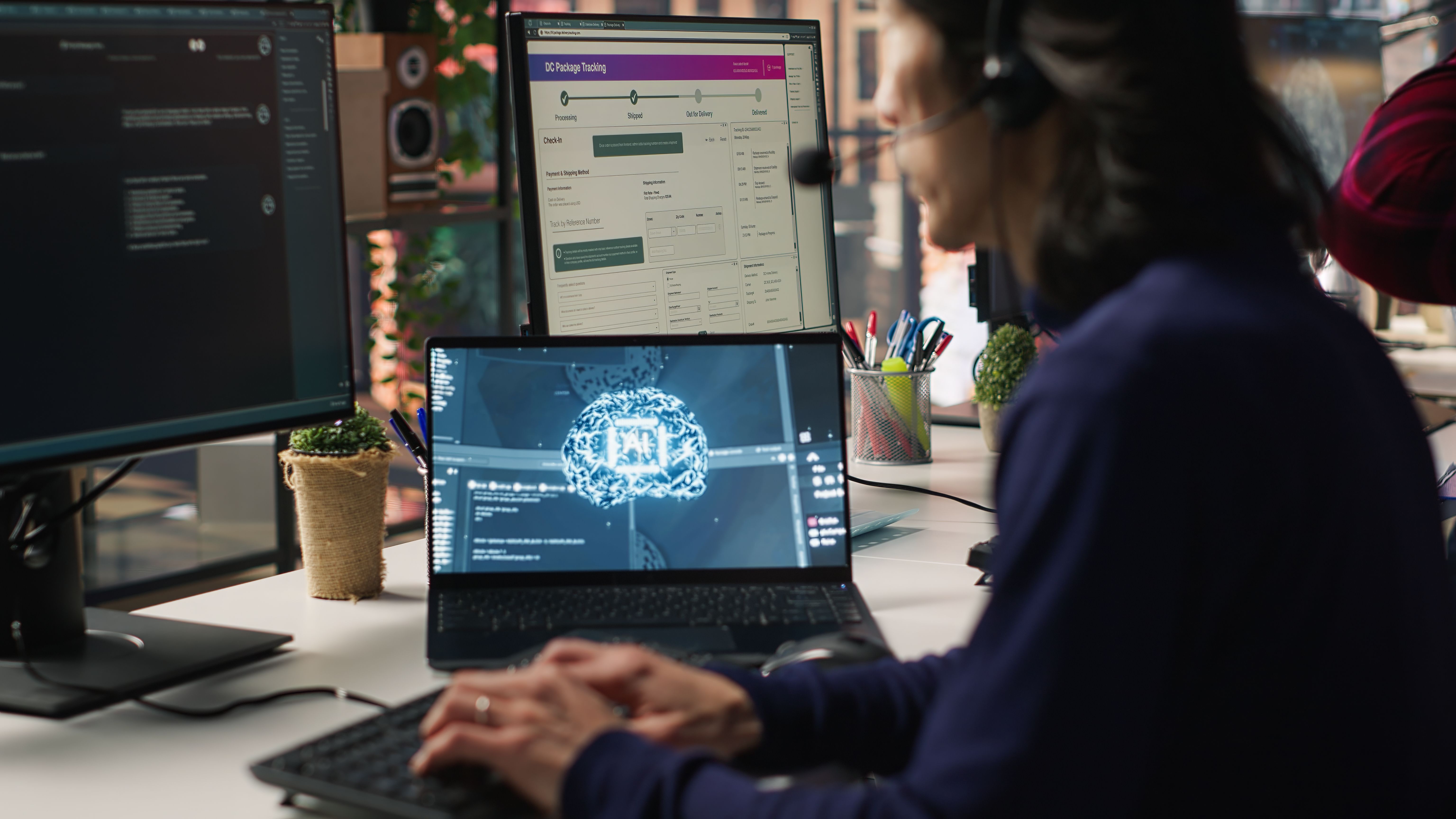
The Talentus Solution: A Modern Automation Stack
We facilitate the Top 5% of LATAM QA engineers who specialize in building robust, automated testing frameworks. Our teams utilize a sophisticated technical stack to ensure your software is battle-tested:
- Web & Mobile Automation: Using Selenium, Cucumber, and Appium, we create scripts that simulate thousands of user interactions across different browsers and devices instantly.
- API & Integration Testing: We use Postman, SoapUI, and JMeter to ensure that the "connective tissue" between your SIS, LMS, and CRM is functioning flawlessly.
- Performance & Load Testing: Before your big enrollment launch, we use JMeter and TestSigma to stress-test your infrastructure, identifying breaking points before your students do.
- Continuous Testing (CI/CD): By integrating tools like Jenkins, GitHub, and CircleCI, QA becomes a continuous process rather than a final hurdle.
The Nearshore Advantage for Quality Assurance
QA is not a "set it and forget it" task. It requires constant synchronization with the development team to adapt to new features and shifts in the roadmap.
- Real-Time Collaboration: Our Near-Shore Model ensures your QA engineers are online and working in your Same Time-Zone. When a bug is found, it can be triaged and fixed within the same business day, no 12-hour offshore wait times.
- 95% Retention Dividend: Automated frameworks are complex assets. Our high retention rate ensures that the engineers who built your testing suite stay with you to maintain and evolve it as your institution grows.
What is your current bug-rate costing you?
Manual QA is a hidden drain on capital. Use our Nearshore Calculator to see the ROI of switching to an automated QA pod in LATAM. You can achieve 100% test coverage and faster release cycles for 40-50% less than the cost of domestic hiring.
Conclusion: From Bug-Fixing to Future-Proofing
In 2026, quality is a feature, not an afterthought. At Talentus Global, we provide the technology that grows with you and the automated precision that keeps you running.
Stop testing. Start automating.